
What is non-hazardous waste?
In our daily lives we generate a large amount of waste. Some are more harmful and require more specific management, but there are others that are categorized as waste. non-hazardous. Understanding what they are and how to manage them correctly is essential if we are to move towards a more sustainable society.
What is non-hazardous waste?
Non-hazardous waste is waste that does not pose a direct risk to human health. Unlike hazardous waste, they do not contain toxic, corrosive, flammable or reactive substances. This does not mean that they can be managed in any way, but that their treatment is simpler and less demanding from a legal point of view.
How does it differ from hazardous waste?
The main difference lies in their composition and degree of risk. Hazardous waste must be treated with special safety and transportation measures because it can contaminate the soil, water or air, or even endanger the people who handle it. Non-hazardous waste, on the other hand, does not require as many precautions, although poor management can also have negative consequences, especially if it is not properly recycled or reused.
Most common types of non-hazardous waste
Depending on their origin and characteristics, non-hazardous waste can be classified into several categories. Here are some of the most common ones:
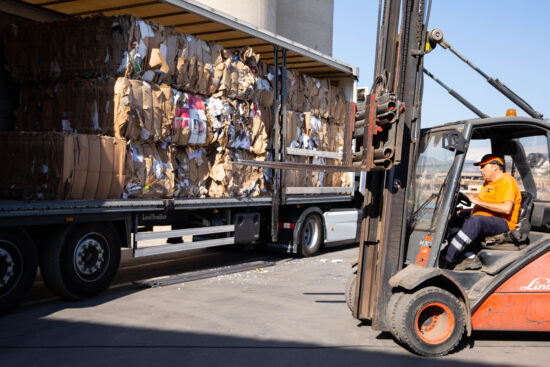
- Cardboard and paperBoxes, brochures, newspapers, office papers.
- PackagingBottles, packaging film.
- WoodPallets, wooden crates, carpentry scraps.
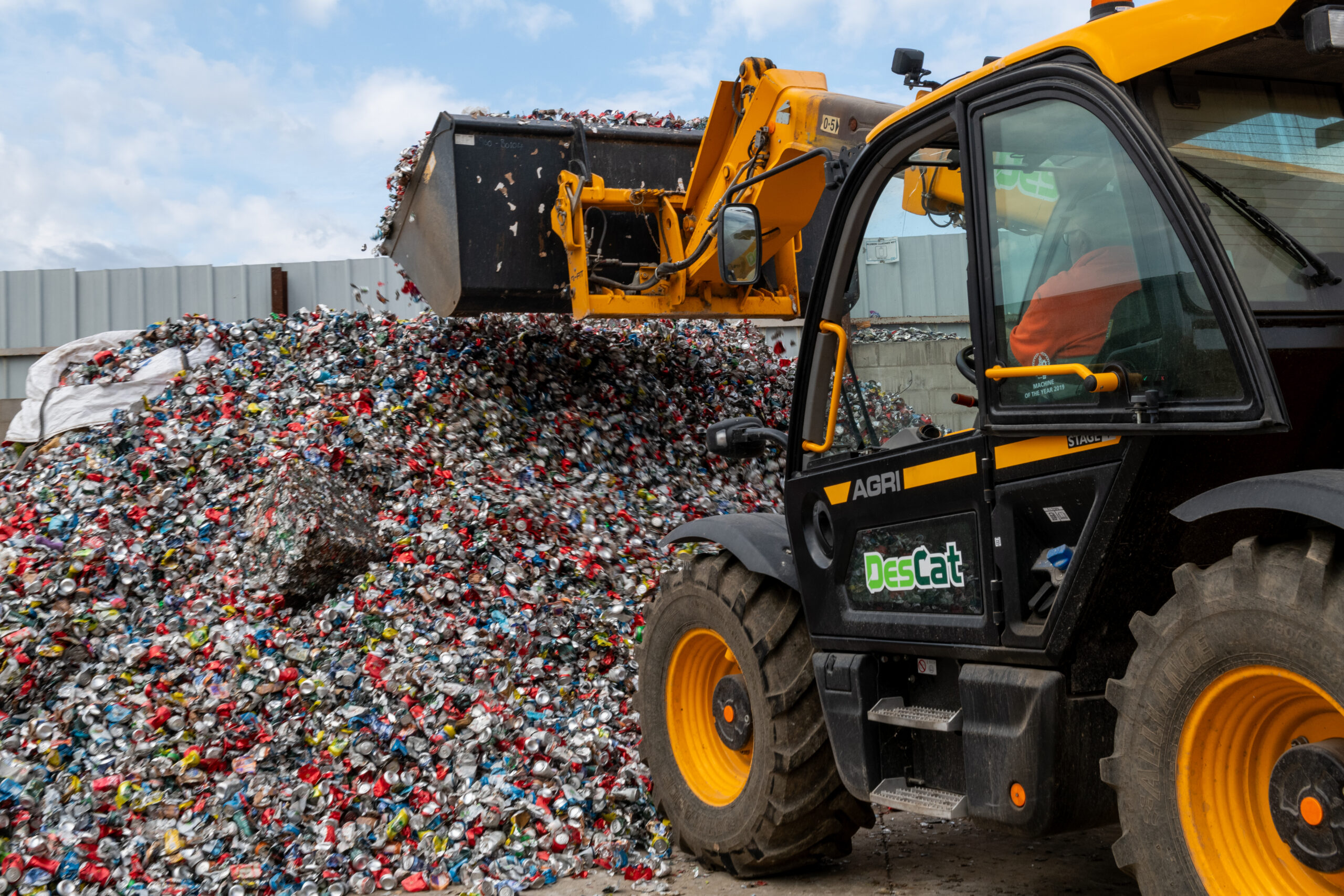
- Ferrous and non-ferrous metalsScrap, cans, metal parts.
- GlassBottles, flasks, glass without hazardous components.
- TextileUsed clothing, industrial textile waste.
- Organic wasteFood waste, vegetable waste, pruning.
- Construction debris or inert construction wasteConcrete, ceramics, bricks.
- Non-hazardous WEEE (waste electrical and electronic equipment): Led TVs, coffee makers, irons.
- Bulky wasteFurniture, mattresses, large objects out of use.
Why is it important to manage them correctly?
Although these wastes are not hazardous, their accumulation and improper management can have a major negative environmental impact. Many of them take years or even centuries to degrade and occupy a considerable volume in landfills.
Good management allows:
- Use recyclable materials, avoiding the extraction of new resources.
- Reduce the amount of waste sent to landfills.
- Reduce the carbon footprint associated with the production and transportation of materials.
- Promote the circular economy, where waste is converted into resources.
How can Vilà Vila Serveis Ambientals help you?
Vilà Vila Serveis Ambientals offers integral solutions for the responsible management of your waste. We have:
- Wide variety of containers adapted to each type of waste.
- Fleet of own vehicles for efficient collection.
- Our own treatment and recycling plants, where we valorize waste to reduce environmental impact.
- Technical advice, so that you can comply with regulations without complications.
In addition, our commitment to sustainability and innovation makes us a reliable partner to manage your waste safely, legally and responsibly.
ReflectDo you know how much waste you generate per week that could be recycled or put to better use? Every small gesture counts. Starting to correctly identify and separate non-hazardous waste is a key step towards a cleaner and more conscious future.
👉 If you need help to manage your non-hazardous waste, count on Vilà Vila Serveis Ambientals. 30 years recycling trust.