Waste treatment: Keys to sustainable waste management
Waste treatment is essential for managing the waste generated by human activity. Proper management minimizes environmental impact and contributes to sustainability, while ineffective management can cause serious ecological and health problems. Treatment plants are key in this process, enabling the sorting, recycling and valorization of different types of waste. They also face constant challenges to improve their efficiency and adapt to current regulations.
Current context of waste treatment
Waste management is an increasingly important issue at the global and national level. The increasing production of waste creates the need for more efficient approaches to waste management.
Importance of efficient management
Efficient waste management is not only crucial to reduce the amount of waste going to landfills, but also plays a fundamental role in protecting the environment and public health. An optimal management system contributes to:
- Minimize the ecological footprint of communities.
- Encourage recycling and reuse of materials.
- Generate resources from waste, promoting the circular economy.
Implementing appropriate practices not only alleviates the overload on natural resources, but also improves the quality of the environment in which we live. This approach enables companies and public administrations to take active responsibility for managing the waste they generate.
Environmental and social impact
The negative effects related to waste accumulation are visible in multiple aspects. At the environmental level, poor waste management can cause:
- Soil, air and water pollution.
- Alterations in biodiversity and local ecosystems.
- Greenhouse gas emissions, contributing to climate change.
Socially, the proliferation of waste can lead to an increase in public health problems and the degradation of urban and rural areas. Poor waste management can generate an unhealthy environment, directly affecting the quality of life of citizens. Raising awareness of these impacts is essential to motivate the population to actively participate in waste management.
Challenges and opportunities
The current context presents a diverse set of challenges that complicate effective waste management. The main challenges include:
- Lack of adequate infrastructure for waste treatment in many areas.
- A low recycling rate compared to the total volume of waste produced.
- The increase in hazardous waste requiring specialized management.
Despite these obstacles, significant opportunities arise. Investment in innovative technologies and citizen education can help transform waste management into a more sustainable and efficient process. In addition, the implementation of policies that encourage producer responsibility in the life cycle of products can facilitate the move towards a low environmental impact economy.
Waste treatment plants
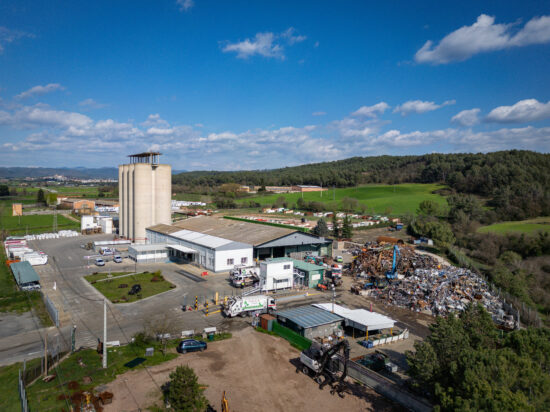
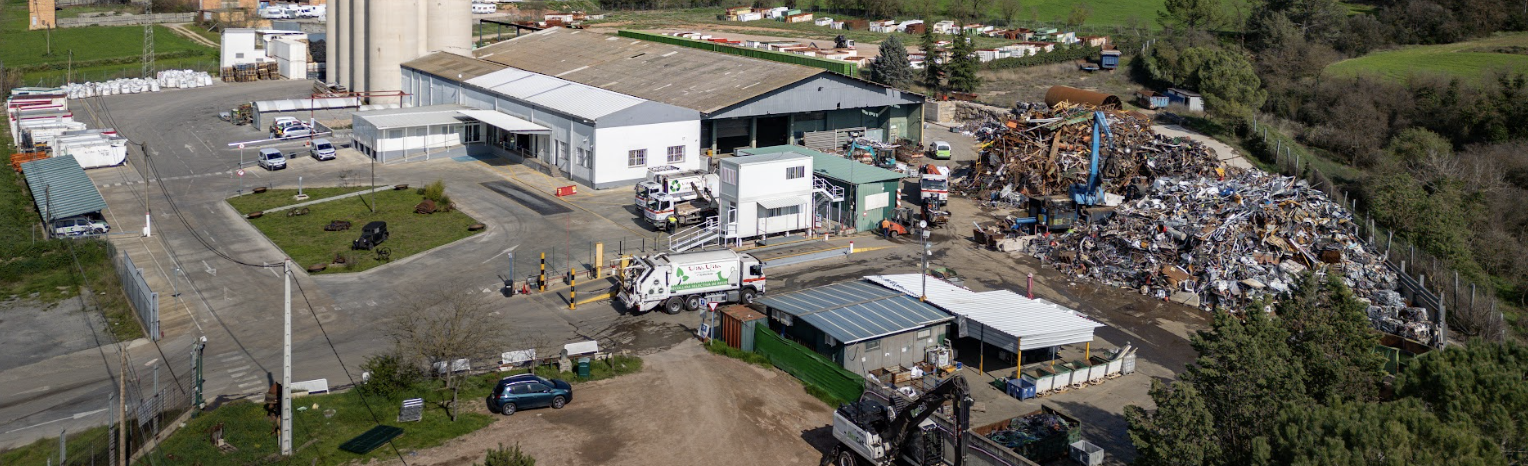
Waste treatment plants play a crucial role in waste management, acting as centers from which processes are executed to minimize environmental impact and maximize material recovery. These facilities use a variety of technologies adapted to the characteristics of the waste being treated.
Capabilities and technologies
The capacities of waste treatment plants vary significantly. Depending on the location and type of waste, these facilities can process from small quantities to thousands of tons per day. The technologies implemented can be classified into several categories:
- Mechanical treatments: These include separation and size reduction processes, essential to prepare materials for recycling.
- Thermal treatments: These processes, such as incineration, use high temperatures to decompose waste, generating energy and reducing its volume.
- Biological treatments: Through methods such as composting and anaerobic digestion, organic waste is transformed into useful products such as fertilizer and biogas.
Urban waste treatment plant
Municipal waste treatment plants are designed to manage waste generated in households and public spaces. These facilities usually combine different technologies to ensure comprehensive management. Among their functions are:
- Collection and classification of waste at source.
- Valorization of recyclable materials.
- Reduction of waste volume through thermal or biological treatments.
Its ability to recycle and recover resources contributes significantly to the reduction of waste going to landfills, fostering a circular economy in cities.
Treatment centers and their function
Waste treatment centers play an integral role in the waste management cycle, operating as hubs of innovation and adaptation. Among their main functions are:
- Development of minimization strategies: They promote practices that help reduce waste generation at source.
- Awareness: These centers are often involved in educational programs and campaigns to promote waste separation and recycling in the community.
- Research and development: They are dedicated to the constant improvement of technologies and processes, seeking to make treatment operations more efficient.
The combination of functions and the use of advanced technologies allow treatment centers to adapt to new regulations and environmental challenges, ensuring effective and sustainable waste management.
Types of waste
Waste classification is essential for proper waste management. Each type has specific characteristics that require different treatments and specific regulations.
Municipal solid waste
This type of waste includes all waste generated in households, such as food scraps, paper, cardboard and plastics. Its composition is varied and it is generally intended for separate collection with the aim of promoting recycling and reducing environmental impact. In cities, the management of this waste represents a significant challenge, given its growing volume. Correct separation at source is key to facilitating their subsequent treatment.
Industrial waste
Originating from manufacturing processes, these wastes cover a wide range of materials, from by-products to hazardous wastes. They are often more complex to manage, as they may include chemicals or toxic components. Regulations surrounding their treatment are strict to ensure environmental safety and the health of workers involved in their handling. Careful planning is required in their management to minimize their impact on the environment.
Hazardous waste
This type of waste is waste that, by its nature, can be harmful to human health and the environment. They include chemicals, batteries, and other materials that require specialized treatment. Proper identification and classification of these wastes is vital for their safe management. Protocols and regulations govern their collection, transportation and disposal, ensuring that they do not pose a risk to society.
Packaging waste
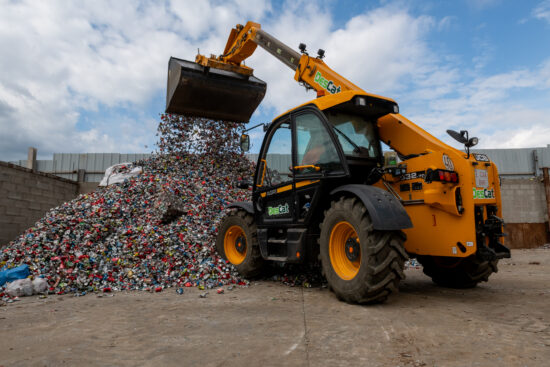
Packaging waste is a relevant category in waste management. Every year, a large amount of plastic, glass and metal packaging is discarded and must be properly managed. Separating these materials allows them to be recycled, contributing to the circular economy and reducing the consumption of natural resources.
Packaging regulations royal decree
The legal framework in Spain establishes specific regulations for the management of packaging waste, based on the Royal Decree that determines the obligations of producers. This regulation seeks to promote reuse and recycling, as well as to minimize the amount of waste that ends up in landfills. Producers are responsible for ensuring that their packaging is recyclable and for participating in waste management systems.
Electronic and electrical waste
Also known as WEEE, this waste comes from products such as household appliances, computers and mobile devices. Their handling is critical due to the heavy metals and toxic substances they can release if not properly treated. European regulations establish clear guidelines for the collection and recycling of these materials. Encouraging the correct management of WEEE is essential to protect the environment and promote sustainable practices in technology consumption.
Waste treatment operations
Waste treatment operations are essential to ensure proper management of the waste generated. They involve several stages that optimize the recovery of materials and minimize the volume of waste requiring final disposal.
Collection and sorting
Waste collection is carried out through organized systems that allow effective separation at source. This phase is essential to ensure that the different types of waste are treated appropriately afterwards.
Sorting is a key process that takes place in specific containers. This stage includes:
- Identification of recyclable materials for further processing.
- Separation of hazardous waste requiring special treatment.
- Organization of waste to facilitate its handling in treatment plants.
Biological treatments
Biological treatments focus on the decomposition of organic waste through natural processes. These techniques allow waste to be transformed into useful and sustainable materials.
Composting and anaerobic digestion
Composting is a method in which organic waste is composted by microorganisms in a controlled environment. This process not only reduces the amount of waste, but also creates a beneficial product for agriculture.
Anaerobic digestion, on the other hand, uses decomposition without oxygen to generate biogas. This biogas serves as a clean energy alternative and the resulting residue can be used as fertilizer.
Mechanical treatment and valorization
Mechanical operations include material separation and sorting, as well as waste size reduction. This approach ensures that the right components are selected for recycling, increasing the efficiency of the recovery process.
Heat treatment and its impact
Thermal treatment includes various technologies, such as incineration, which decompose waste at high temperatures. This procedure not only reduces the volume of waste, but can also contribute to energy generation.
Energy assessment
This technique makes it possible to convert the energy contained in the waste into electricity or heat, which represents a significant advance in waste management. However, it is essential to implement rigorous controls to prevent the emission of pollutants, ensuring that the process is carried out under optimum conditions.
Vilà Vila Serveis Ambientals: a model of success in Catalonia
With more than 50 years of experience, Vilà Vila Serveis Ambientals has established itself as a benchmark in integrated waste management in Catalonia. Its approach combines a firm commitment to sustainability, current regulations and operational efficiency. The treatment plants located in Artés, Les Masies de Voltregà and Rubí have the capacity to classify and recover different types of waste, which optimizes the recycling process and minimizes environmental impact.
Since its creation, this family-owned company has adopted advanced technologies to improve the recovery of recyclable materials. The fleet of vehicles authorized for transport, together with a highly qualified technical team, ensures a personalized service tailored to the needs of companies and public administrations. A highlight is its high degree of recyclability, which promotes the circular economy in the region.