
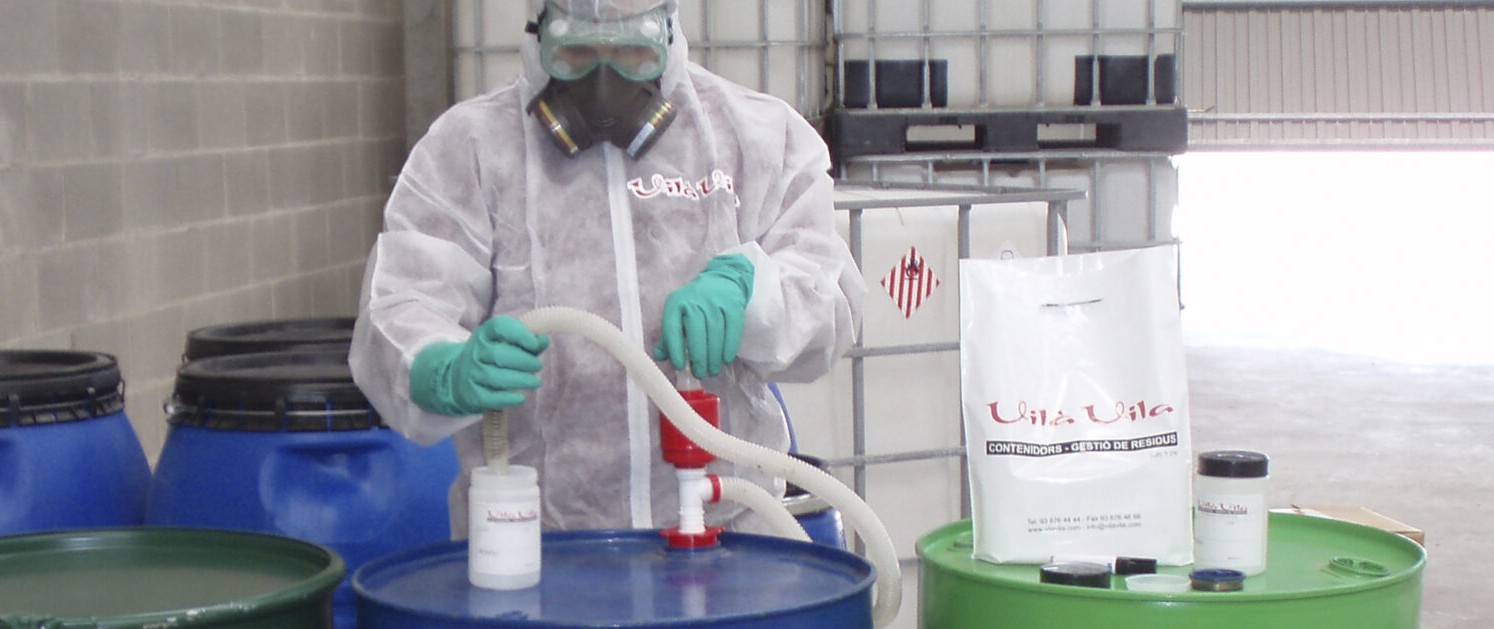
What is hazardous waste?
In waste management, it is key to know that not all waste is the same: hazardous waste poses a real risk to health and the environment, so it must be treated with special care and cannot be underestimated. Today we will talk about hazardous wasteWhat they are, why they require special attention and how to identify them in our daily lives.
What is hazardous waste?
Hazardous waste is waste that, due to its chemical, physical or biological composition, may pose a risk to human health and the environment if not properly managed. These wastes can be flammable, corrosive, reactive, toxic or infectious.
Due to its hazardous nature, this type of waste is subject to specific regulations and requires professional, safe and controlled management.
How does it differ from non-hazardous waste?
While non-hazardous waste does not present significant health risks (such as paper, cardboard or debris), hazardous waste does. The key difference lies in the hazardousness of its composition and the potential effects in case of contact, inhalation or improper disposal.
For this reason, these wastes must be identified, labeled, stored and transported under strict safety measures, often by authorized vehicles such as those using ADR standards.
Most common types of hazardous waste
Depending on their origin and nature, some of the most common hazardous wastes are:
- Used oils and lubricantsVery frequent in workshops and industrial sectors.
- Batteries and accumulatorsThey contain acids and heavy metals such as lead or cadmium.
- Contaminated containersChemical containers: Cans or drums that have contained chemical products.
- Sludge and contaminated sludgeFrom industrial processes or sewage treatment plants.
- Solvents, paints and varnishesWidely used in industry, construction sites or in the automotive sector.
- AerosolsMay be flammable or toxic.
- Sanitary or clinical wasteNeedles, scalpels or contaminated materials.
- Expired or deteriorated chemical productsSuch as pesticides, industrial cleaning products or laboratory reagents.
Other hazardous wastes include: flammable products, waste containing asbestos (fiber cement), used catalysts, corrosive products or those containing sensitizing substances.
Why is it important to manage them correctly?
Poor hazardous waste management can have serious consequences:
- Soil and water contamination.
- Public health risks (inhalation, contact or ingestion).
- Damage to biodiversity and ecosystems.
- Risk of fire or explosion.
- Legal sanctions for non-compliance with regulations.
For this reason, regulations require that this waste be identified, stored, transported and treated in safe conditions, with authorized managers such as Vilà Vila Serveis Ambientals, who guarantee legal compliance and traceability throughout the process.
How can Vilà Vila Serveis Ambientals help you?
At Vilà Vila Serveis Ambientals we have a technical team specialized in hazardous waste management, ensuring that each step is carried out in a safe, legal and sustainable manner. We offer:
- Identification and analysis of residues by an accredited laboratory.
- Personalized technical advice on how to store and classify waste.
- ADR transport with authorized vehicles.
- Solutions adapted to each client, both individuals and industries.
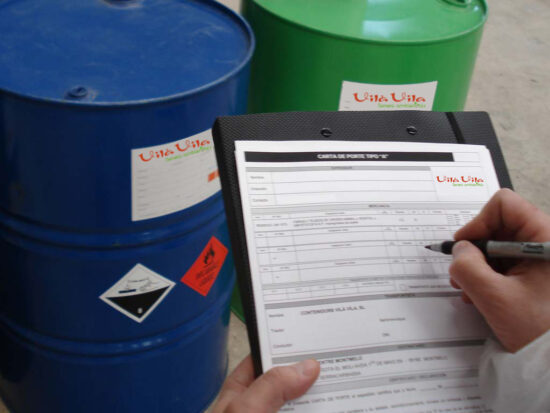
Thanks to our own infrastructure, treatment plants and fleet of vehicles, we guarantee agile, responsible and compliant management.
ReflectDid you know that products as common as a battery or a solvent, if poorly managed, can contaminate thousands of liters of water? Identifying, separating and entrusting the management to experts is key to protecting your health and the planet.
- Trust in Vilà Vila Serveis Ambientals to manage your hazardous waste safely, responsibly and without complications.