
Authorized waste managers: Keys to sustainable waste management
Authorized waste managers are entities that comply with current regulations for the management of different types of waste. Their work is essential to ensure the sustainability and correct management of the waste generated. In Spain, these managers are regulated by specific laws that establish the requirements and authorization processes. Through their activities, they contribute to the reduction of environmental impact and the promotion of recycling and resource recovery.
What are authorized waste managers?
In the context of waste management in Spain, there are entities that play a fundamental role in the correct handling of waste. These entities are key to ensuring regulatory compliance and environmental sustainability.
Main functions
The entities responsible for authorized waste management have several essential functions. Among them are the following:
- Perform waste collection and transportation according to current regulations.
- Sorting and temporary storage of waste for subsequent treatment.
- Implement recycling and recovery processes, contributing to the circular economy.
- Ensure proper disposal of non-recyclable waste, minimizing its environmental impact.
Authorization process
To operate legally, these entities must go through a rigorous licensing process. This process ensures that they comply with all applicable regulations and are prepared to manage waste safely and effectively.
Legal requirements
It is essential that authorized waste managers comply with certain legal requirements. These include:
- Accreditation by the competent authority in the corresponding Autonomous Community.
- Presentation of a project specifying waste treatment and management methods.
- Provision of adequate facilities that meet safety and environmental protection standards.
Application procedure
The process of obtaining authorization involves several important steps. It starts with the collection of the necessary documentation, which includes:
- A detailed report on planned waste management.
- Evidence that the facilities comply with safety regulations.
- Commitments to carry out periodic audits and inspections.
Once all documentation has been submitted, the authorities will evaluate the application, conducting inspections if necessary, before granting the corresponding authorization.
Regulatory framework and regulations
Waste management in Spain is subject to a regulatory framework that guarantees adequate and responsible waste treatment. This framework is articulated through various laws and regulations that establish the conditions and obligations for waste managers.
Law 22/2011 on waste and contaminated soils
Law 22/2011, enacted on July 28, is fundamental for the regulation of waste and contaminated land management. This regulation establishes the legal regime applicable throughout the national territory, promoting the prevention of waste generation and waste recovery. The law establishes important principles, such as producer responsibility, the waste management hierarchy and the need to implement recycling measures.
Regional regulations
Each Autonomous Community in Spain has the capacity to develop specific regulations that complement national legislation. These regulations adopt particular approaches according to the characteristics and needs of the region, reflecting the diversity of types of waste generated. Some of the areas they address include:
- Procedures for the authorization of waste managers.
- Protocols for the treatment of hazardous and non-hazardous waste.
- Waste management education and awareness programs.
Supervision and inspections
The competent authorities play a crucial role in the supervision of waste managers through regular inspection processes. These inspections seek to ensure that all legal and technical requirements established by current legislation are met. Comprehensive audits are carried out that verify both the technical operation of the facilities and the proper handling of waste. The consequences of non-compliance can be severe, including financial penalties and the possibility of revocation of authorizations.
Types of waste managed
Waste management involves several categories, each with its own specificities. It is essential to classify waste in order to deal with its treatment and disposal in an appropriate manner. These categories are divided into hazardous and non-hazardous waste.
Hazardous waste
The classification of hazardous wastes is based on their ability to harm human health or the environment. These substances require careful handling due to the associated risks.
Specific regulations
Hazardous waste is subject to strict regulations. Regulations such as Law 22/2011 and European provisions establish requirements for their classification, storage, transport and treatment. These regulations ensure that adequate measures are implemented to minimize the risk of contamination.
Examples of hazardous waste
- Batteries and accumulators.
- Industrial chemicals including solvents and paints.
- Medical waste such as syringes and contaminated materials.
- Used oils and petroleum products.
Non-hazardous waste
On the other hand, non-hazardous waste represents those materials that, although they require treatment, do not have properties that pose a direct risk to health or the environment. Their management tends to be less complex.
Management procedures
Non-hazardous waste management involves processes such as recycling and recovery. In most cases, procedures are carried out to ensure separation at source and adequate collection for subsequent treatment.
Examples of non-hazardous waste
- Household and commercial waste such as food waste and cardboard.
- Recyclable materials such as paper, glass and plastic.
- Uncontaminated construction and demolition waste.
- Non-hazardous agricultural waste.
Waste managers by autonomous community
Waste management in Spain varies considerably depending on the autonomous community. Each region has its own authorized waste managers, adapting to local particularities in the generation and treatment of waste.
Catalonia
In Catalonia, the network of waste managers is wide and diverse, which allows for efficient integrated management of different types of waste.
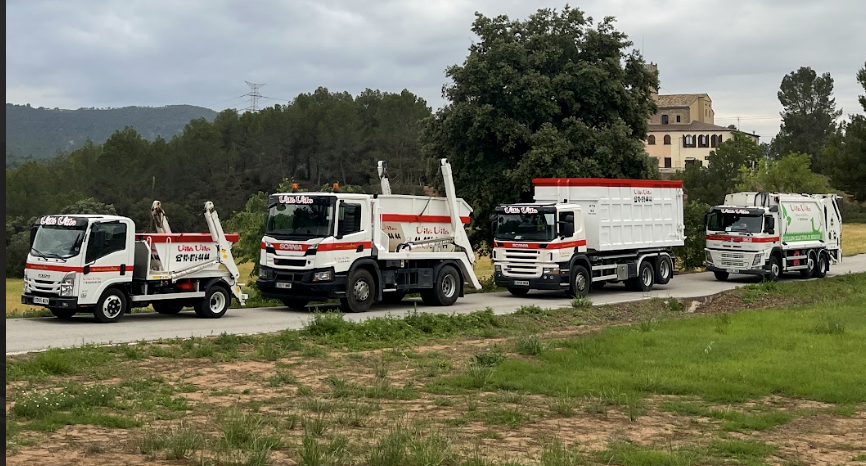
Vilà Vila Environmental Services
One of the most prominent entities in this field is Vilà Vila Serveis Ambientals. With more than 60 years of experience, this family company specializes in the treatment and recovery of waste in several of its own facilities.
Main types of waste managed
- Industrial waste
- Hazardous waste
- Recyclable materials
- Construction waste
Community of Madrid
The Community of Madrid has a well-structured waste management system, with a register of waste managers that allows effective monitoring of their activities.
Register of managers
The regional authorities maintain a register documenting the entities authorized to operate in the region, ensuring that they comply with current regulations.
Operations Highlights
The most relevant operations in Madrid include urban waste treatment and energy recovery, which seeks to recover resources from the waste generated by the population.
Galicia
In Galicia, waste managers play a crucial role in the proper management of waste generated in the community.
Waste and main activities
Activities are focused on materials recovery, where both hazardous and non-hazardous waste is managed, adapting to the needs of the region.
Geographical distribution
The distribution of managers in Galicia is spread throughout its different provinces, ensuring that management coverage is accessible to all municipalities.
Waste management facilities
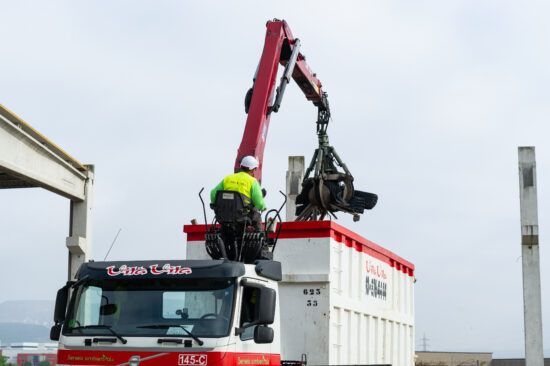
Waste management facilities are essential to ensure adequate and efficient management of the different types of waste generated in the country. These infrastructures are responsible for processing, treating and recycling waste, contributing to environmental sustainability.
Types of installations
There are a number of facilities designed to address the various challenges presented by waste. The most relevant are treatment plants and landfills.
Treatment plants
Treatment plants specialize in processing waste to maximize reuse and recycling. These facilities are usually equipped with advanced technology that allows the separation and valorization of materials. They can be classified into:
- Recycling plants: Where recoverable materials are processed for reuse in industry.
- Hazardous waste treatment plants: Designed to handle wastes that can cause harm to health or the environment.
- Composting facilities: Focusing on the transformation of organic waste into natural fertilizer.
Landfills
Landfills are facilities where waste that cannot be recycled or treated is deposited. These sites are strictly regulated to prevent soil and water contamination. There are different types of landfills:
- Non-hazardous waste landfills: Designed to receive waste such as household garbage and commercial waste.
- Hazardous waste landfills: Specially controlled to prevent risks associated with their toxic nature.
Examples in different communities
In Spain, the network of waste management facilities varies significantly depending on the autonomous community. Each region adapts its infrastructure to its specific needs and type of waste generated.
Facilities in Catalonia
Catalonia has a large number of treatment plants, the most important of which are located in Artés, Les Masies de Voltregà and Rubí. These facilities allow the classification and valorization of different types of waste, from industrial to organic.
Infrastructure in Madrid
The Community of Madrid also has a solid network of management infrastructures. Hazardous and non-hazardous waste treatment plants can be found, as well as recycling centers that promote the recovery of valuable materials.
Innovation and sustainability in waste management
Waste management faces new challenges that require innovative and sustainable solutions. Advances in technology and the adoption of responsible practices are key to improving waste management efficiency and minimizing environmental impact.
Recycling and recovery
Recycling and waste recovery are key processes that transform waste into resources. This practice not only contributes to reducing the amount of waste sent to landfills, but also promotes the circular economy. The benefits of these actions include:
- Conservation of natural resources.
- Reduction of greenhouse gas emissions.
- Encouraging the development of new industries related to recycling.
The treatment and recycling plants operate under strict regulations to ensure that recovered materials are processed safely and efficiently. This includes the proper separation of waste, ensuring that each type of material is managed in the most appropriate and responsible manner possible.
Emerging technologies
Technological innovations play a crucial role in improving waste management. Technologies are being developed that optimize the collection, sorting and recycling process, making it more effective. Some of these innovations include:
- Automated classification systems using artificial intelligence.
- Advanced composting technologies that improve organic waste conversion.
- Use of mobile applications for waste tracking and management by citizens and companies.
The implementation of these technologies can increase operational efficiency and facilitate compliance with environmental regulations, thus promoting sustainability in waste management.
Circular economy
The circular economy focuses on maximizing the use of resources and minimizing the waste generated. This model promotes the design of products that are more durable and recyclable, encouraging a much more sustainable life cycle of materials. To this end, it is vital:
- Stimulate collaboration between different sectors of the economy.
- Implement public policies that encourage sustainable practices.
- Educate the population on the importance of recycling and reuse.
This approach not only benefits the environment, but also generates economic opportunities and improves the competitiveness of companies in the global marketplace.
Current and future challenges in waste management
Waste management faces multiple challenges today, ranging from increased waste production to the need to raise awareness of sustainable practices.
Increased waste production
The increase in waste production is an alarming phenomenon in Spain and globally. This growth is driven by factors such as:
- Population growth and consumption.
- Economic growth that translates into greater use of tangible products.
- Inefficiency in the use of resources that generates excessive waste.
This increase not only represents a logistical challenge, but also puts pressure on management facilities and authorized managers, who must adapt to handle larger volumes of waste.
Environmental education and awareness
Lack of education about waste management is a persistent problem. The general population needs to better understand the importance of reducing, reusing and recycling. Actions that can be improved include:
- Educational courses and workshops in schools on sustainability.
- Awareness campaigns to promote responsible practices among citizens.
- Community impact programs that involve different sectors in waste management initiatives.
Fostering a culture of recycling and environmental awareness can result in less waste generation in the future.
Extended producer responsibility
Extended producer responsibility (EPR) is a concept that seeks to make manufacturers responsible for the life cycle of their products, from production to the end of their useful life. This strategy may include:
- Implementation of product return and recycling systems.
- The use of more sustainable and recyclable materials in manufacturing.
- The promotion of eco-design that minimizes waste.
The EPR not only contributes to more efficient waste management, but also encourages producers to innovate and be more environmentally responsible.